
Animestars: Walt Disney cartoons from 1928 to 1974, from Mickey Mouse and the Silly Symphonies to Donald Duck, Pluto, Goofy, Chip 'n' Dale and Jiminy Cricket, and where to watch them
229 cartoons and specials from Walt Disney Productions: Mickey and Minnie, Donald Duck, Pluto, Goofy, Chip 'n' Dale, the Silly Symphonies, the musical shorts of the forties, the Latin American films and Jiminy Cricket's lessons. Search a title and press Watch now.
Latest additions
View all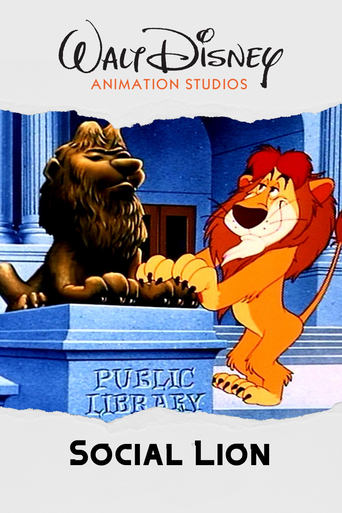 Disney19546.5Lion Social1954, 6 min
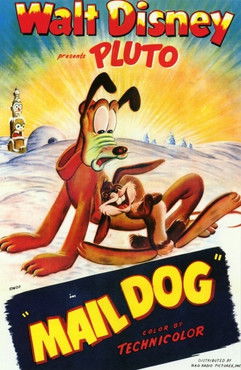 Pluto6.2Pluto Postier1947, 7 min
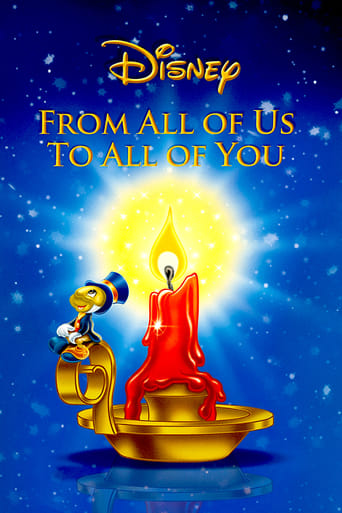 Mickey19587.6From All of Us, To All of You1958, 41 min
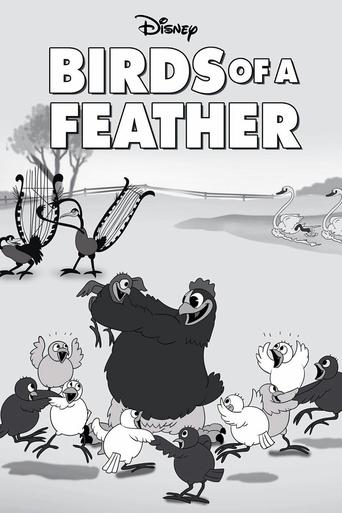 Silly5.6Birds of a Feather1931, 8 min
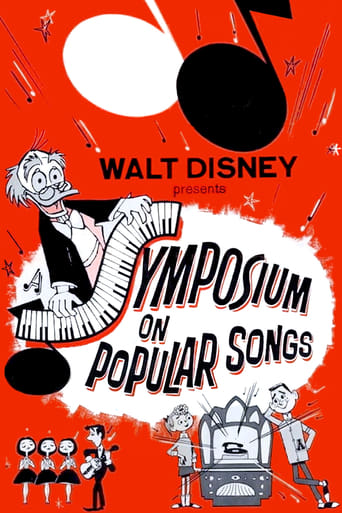 Disney19625.5A Symposium on Popular Songs1962, 20 min
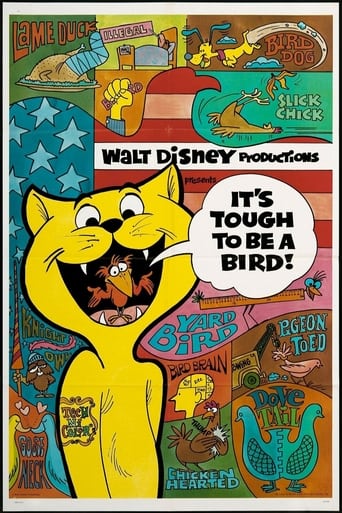 Disney19696.2It's Tough to Be a Bird1969, 21 min
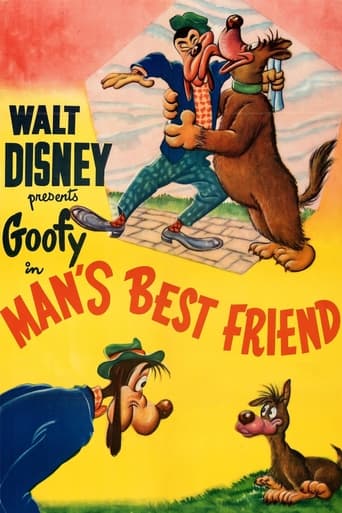 Goofy19526.1Man's Best Friend1952, 6 min
 Silly6.4Autumn1930, 6 min
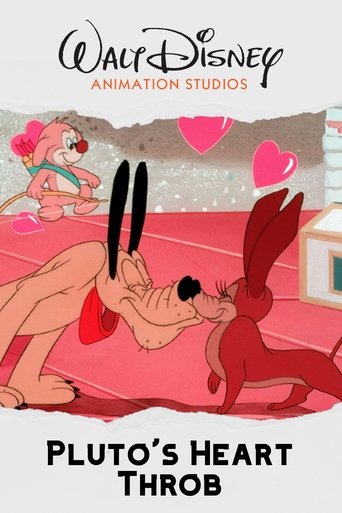 Pluto19506.8Pluto's Heart Throb1950, 7 min
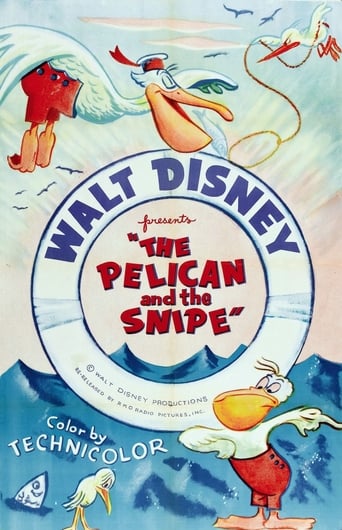 Disney6.1The Pelican and the Snipe1944, 9 min
 Donald19597.3How to Have an Accident at Work1959, 7 min
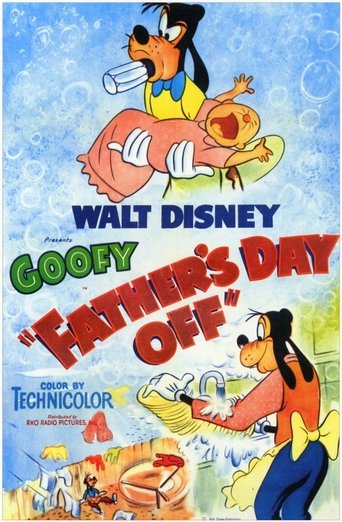 Goofy19537.1Father's Day Off1953, 7 min
 Silly6.0Cock o' the Walk1935, 8 min
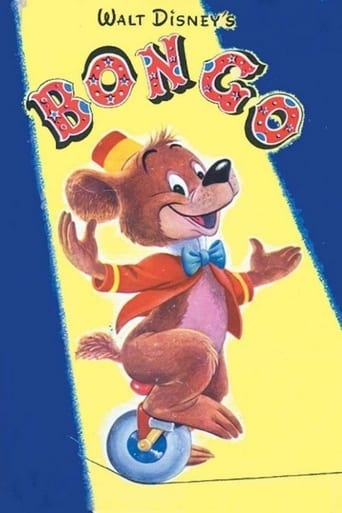 Disney6.6Bongo1947, 30 min
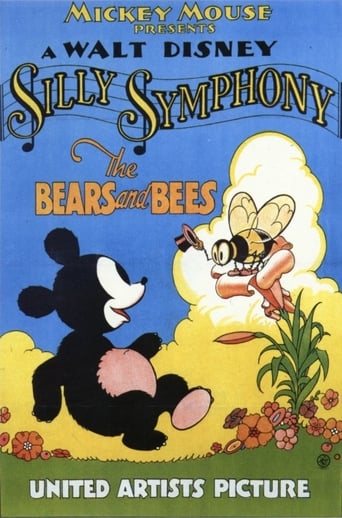 Silly5.9The Bears and the Bees1932, 6 min
Mickey Mouse
View all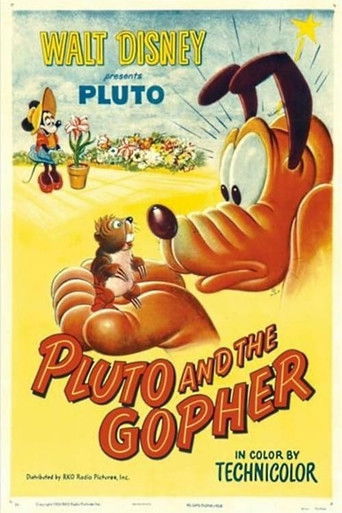 Mickey19506.6Pluto and the Gopher1950, 7 min
- Mickey19587.6From All of Us, To All of You1958, 41 min
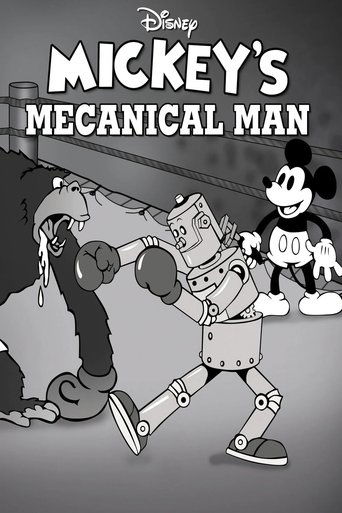 Mickey6.4Mickey's Mechanical Man1933, 7 min
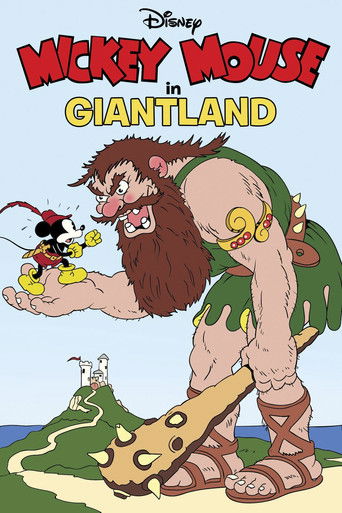 Mickey6.3Giantland1933, 8 min
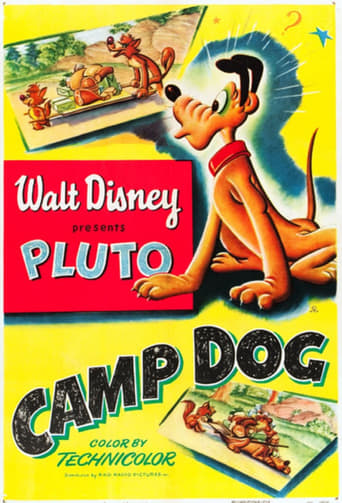 Mickey19506.6Camp Dog1950, 7 min
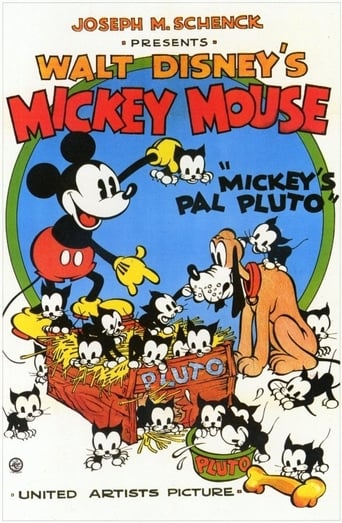 Mickey6.0Mickey's Pal Pluto1933, 7 min
 Mickey6.1Mickey's Elephant1936, 8 min
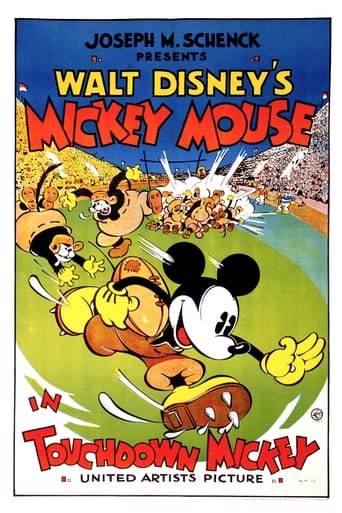 Mickey6.2Touchdown Mickey1932, 6 min
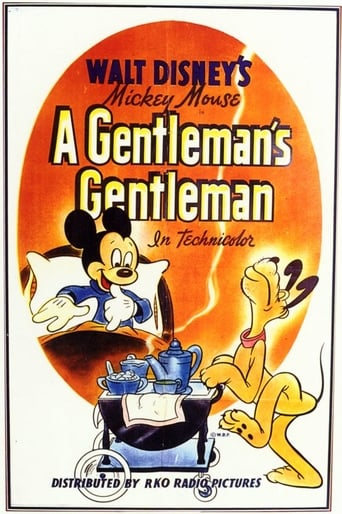 Mickey6.4A Gentleman's Gentleman1941, 8 min
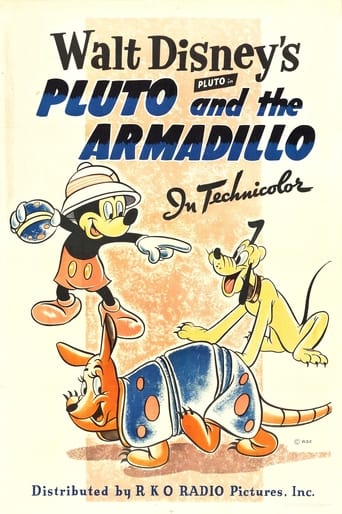 Mickey6.1Pluto and the Armadillo1943, 7 min
Donald Duck
View all Donald19516.8Dude Duck1951, 8 min
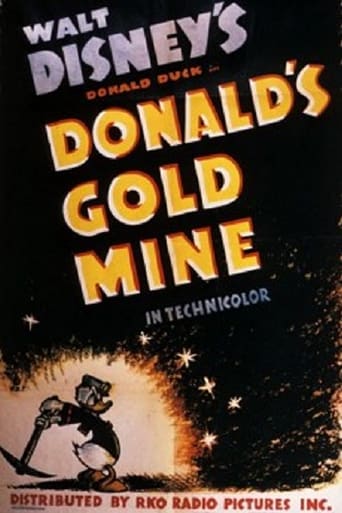 Donald5.9Donald's Gold Mine1942, 7 min
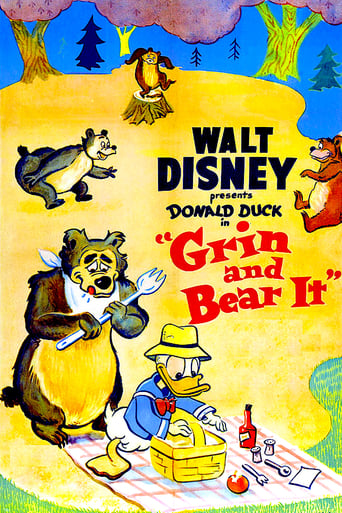 Donald19546.8Grin and Bear It1954, 7 min
- Donald19597.3How to Have an Accident at Work1959, 7 min
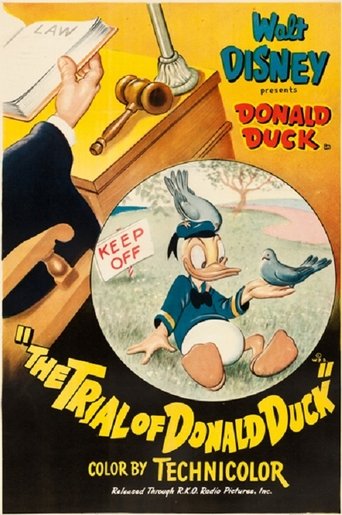 Donald5.8The Trial of Donald Duck1948, 7 min
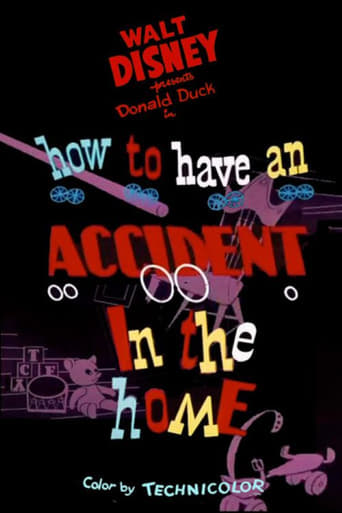 Donald19567.0How to Have an Accident in the Home1956, 7 min
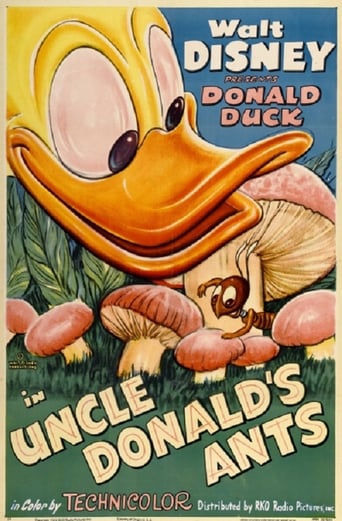 Donald19526.7Uncle Donald's Ants1952, 6 min
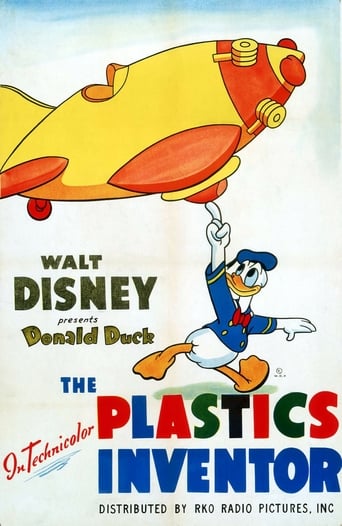 Donald6.8The Plastics Inventor1944, 7 min
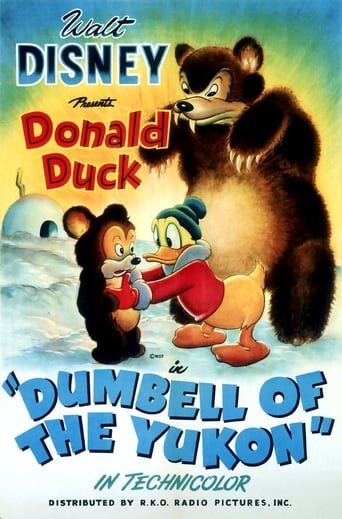 Donald5.7Dumb Bell of the Yukon1946, 6 min
 Donald6.4Donald's Dream Voice1948, 7 min
Pluto
View all- Pluto6.2Pluto Postier1947, 7 min
- Mickey19506.6Pluto and the Gopher1950, 7 min
- Pluto19506.8Pluto's Heart Throb1950, 7 min
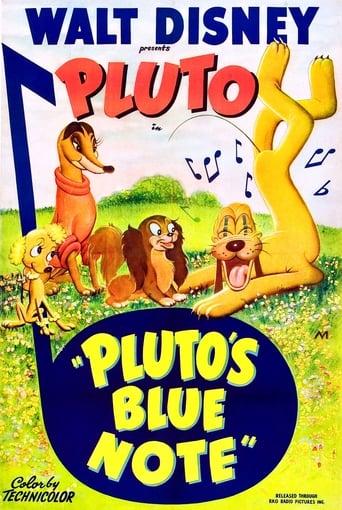 Pluto7.1Pluto's Blue Note1947, 7 min
 Pluto5.1A Feather in His Collar1946, 1 min
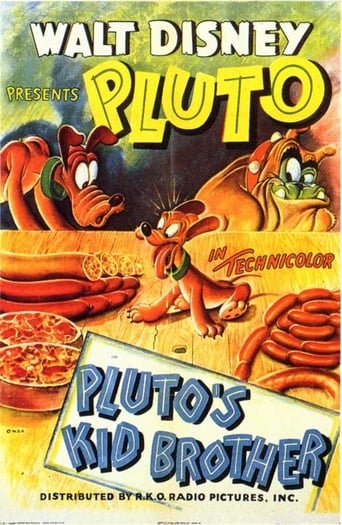 Pluto6.5Pluto's Kid Brother1946, 7 min
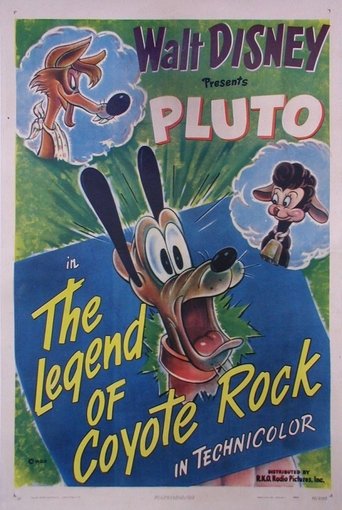 Pluto6.5The Legend of Coyote Rock1945, 7 min
- Mickey19506.6Camp Dog1950, 7 min
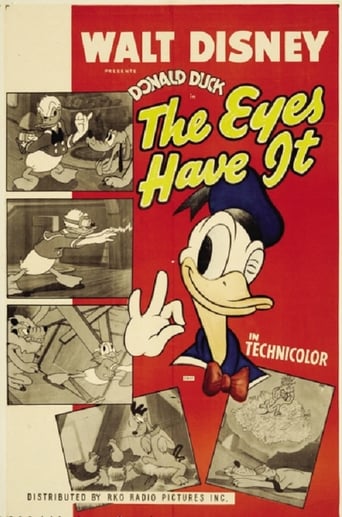 Donald5.8The Eyes Have It1945, 7 min
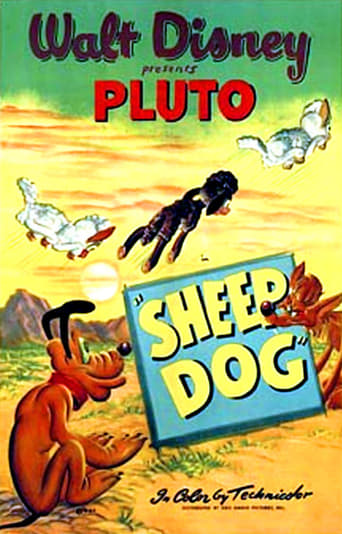 Pluto6.7Sheep Dog1949, 7 min
Silly Symphonies
View all- Silly5.6Birds of a Feather1931, 8 min
 Silly5.7More Kittens1936, 8 min
- Silly6.4Autumn1930, 6 min
- Silly6.0Cock o' the Walk1935, 8 min
- Silly5.9The Bears and the Bees1932, 6 min
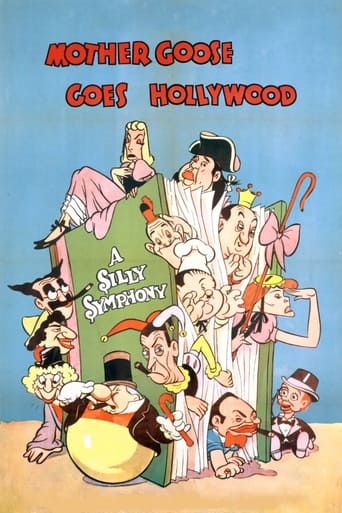 Silly5.6Mother Goose Goes Hollywood1938, 8 min
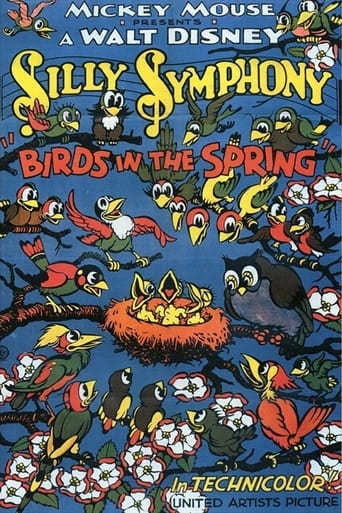 Silly6.1Birds in the Spring1933, 7 min
 Silly6.2Midnight in a Toy Shop1930, 8 min
 Silly5.8The Spider and the Fly1931, 7 min
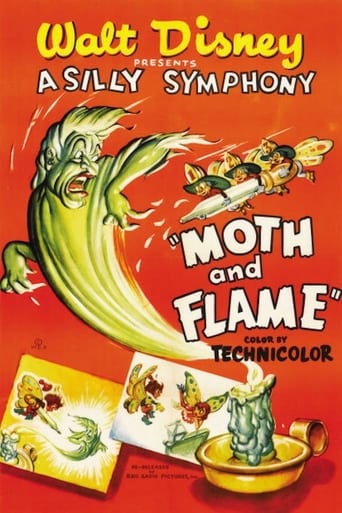 Silly6.1Moth and the Flame1938, 8 min
Musical shorts
View all- Disney19546.5Lion Social1954, 6 min
- Disney6.1The Pelican and the Snipe1944, 9 min
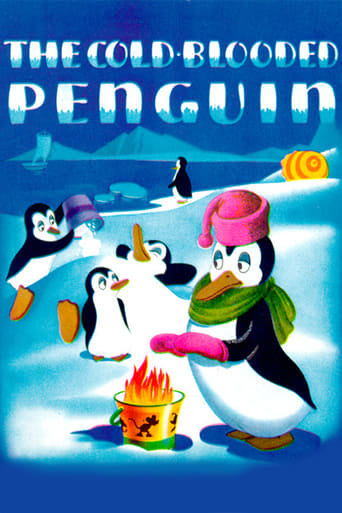 Disney7.2The Cold-blooded Penguin1944, 7 min
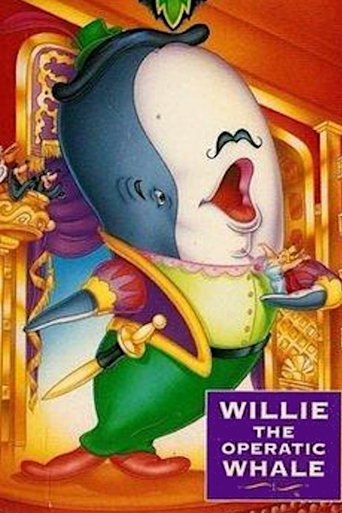 Disney6.3Willie the Operatic Whale1946, 15 min
 Disney5.3Blue Bayou1946, 4 min
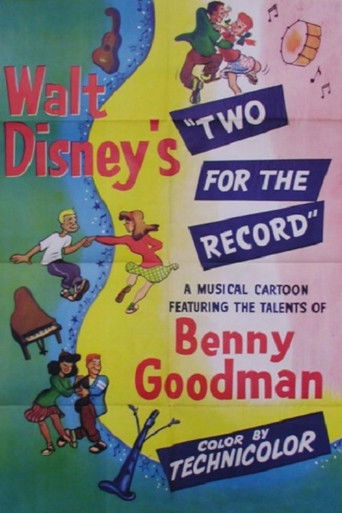 Disney19548.0Two for the Record1954, 7 min
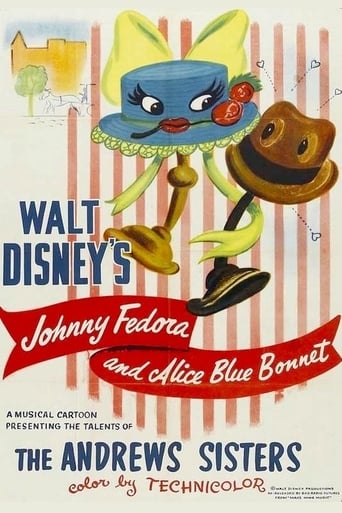 Disney5.9Johnny Fedora and Alice Blue Bonnet1946, 7 min
 Disney4.0Without You1946, 4 min
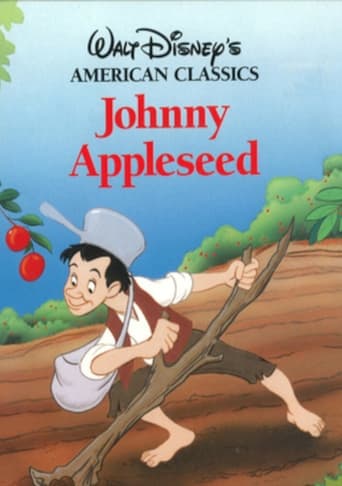 Disney6.6The Legend of Johnny Appleseed1948, 19 min
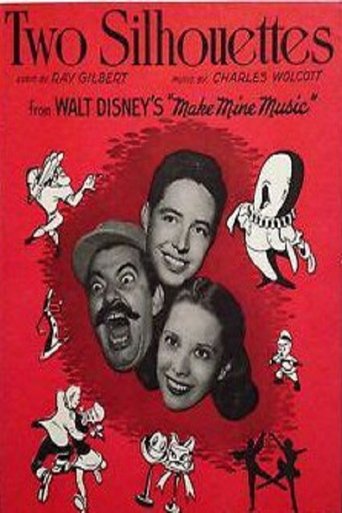 Disney5.0Two Silhouettes1946, 5 min
Guides
View all- How to watch with AnimestarsFrom the top row to the official service.
- Mickey MouseMickey, Minnie and their friends.
- Donald DuckDonald, his nephews and his many rivals.
- Pluto and GoofyMickey's dog and his lanky friend.
- Silly SymphoniesSeasons, toys and nursery rhymes set to music.
- Restorations and versionsOriginal prints, colour and sound.
- Musical shortsMake Mine Music and Melody Time.
- Learning with JiminyLessons, science and Walt's television hours.
- The official Animestars siteHow to recognise the real address.
- Is Animestars working?A quick check and easy fixes.
- Where Animestars cartoons streamThe official services behind Watch now.
- Apps and devicesPhones, tablets, computers and televisions.
- Watching safelyA short checklist.
- Finding a cartoonSearch tips.
- My ListBuilding your own cartoon show.
Animestars: Walt Disney cartoons from 1928 to 1974, from Mickey Mouse and the Silly Symphonies to Donald Duck, Pluto, Goofy, Chip 'n' Dale and Jiminy Cricket
In the autumn of 1928, a small studio on Hyperion Avenue in Los Angeles released a cartoon in which a cheerful mouse whistled at the wheel of a riverboat, and the history of animation changed for good. Over the next four decades, Walt Disney and his artists created Mickey Mouse, Minnie, Pluto, Goofy, Donald Duck, Chip 'n' Dale and a whole family of friends, turned classical music and popular songs into the Silly Symphonies, travelled through Latin America with a parrot named José Carioca, and brought cartoons into the living room through television. Animestars is a guide to that world: a hand-picked catalogue of 229 cartoons, musical shorts, lesson films and television specials from Walt Disney Productions, made between 1928 and 1974, with a page for each title and a Watch now button that leads to the official services that carry it.
Here you will find 46 cartoons with Mickey and Minnie, 56 with Donald Duck and his circle, 59 with Pluto, the most expressive dog in animation, and 22 with Goofy, from the early Dippy Dawg to the everyman George Geef. There are 12 cartoons with Chip 'n' Dale and Figaro, 30 Silly Symphonies from the black-and-white and early colour years, 24 musical shorts from the song-filled features of the forties, 7 films from the studio's journeys to Latin America, 30 lesson films with Jiminy Cricket, Ludwig Von Drake and friends, and 13 television specials and featurettes hosted by Walt Disney and his characters.
By decade, the catalogue holds 64 titles from 1928 to 1939, 78 from the 1940s, 77 from the 1950s and 10 from 1960 to 1974. Together they trace the studio's growth from a small cartoon workshop to the most famous name in family entertainment, through the early sound years, the arrival of Technicolor, the golden age of the short cartoon and the first years of television.
Every page gives the story, the year, the running time and the studio, so you know exactly which cartoon you are about to enjoy. The Watch now button opens the title on JustWatch for the country you choose, where you can see which subscription, rental, purchase and free services carry it. You can save cartoons to My List, which stays in your browser, and plan a programme of favourites for the whole family.
Animestars is made for everyone who loves a Disney cartoon: parents introducing their children to Mickey and Donald, grandparents revisiting the cartoons of their own childhood, students of animation and music, and anyone who wants seven minutes of warmth and laughter. The catalogue has been chosen by hand, with an eye for charm, comedy and music.
This guide explains how the site looks and works, then takes a walk through the studio's history, star by star and decade by decade, with links to the cartoons along the way. It closes with ideas for programmes, tips for watching today and answers to common questions. Find a comfortable seat, and let the music begin.
How Animestars looks
Animestars takes its look from the archived pages of animestars.org, a large Russian anime catalogue with a bright, magazine-like design. The page sits on a dark backdrop, and the content lives in a wide white panel with softly rounded top corners and a deep shadow, so it seems to float above the background like a sheet of paper on a dark desk.
Across the top runs a dark floating header with a rounded lower edge and a strong shadow, just as on the original. On the left sits a raspberry star logo and an uppercase wordmark in a rounded display face, spaced wide and glowing faintly raspberry, with a tiny caption beneath it. In the middle is a round, translucent search field, and on the right a round button for My List. On narrower screens, a raspberry menu button appears beside it.
On wide screens, a dark sidebar runs down the left side of the white panel, with uppercase menu items, a small star before each one and a soft pill that appears when you point at an item. Below the main links, the sidebar lists every shelf, from Mickey Mouse to the television specials. The original used the same column for its menu, its genre lists and its comments.
The home page opens with a row of tall rounded cards on a dark band, each showing a poster with its title over a dark fade, in the style of the original's featured row. A pair of rounded tabs follows, then the sections. Each section has a simple title in medium weight with a rounded link to the full shelf, and a grid of portrait posters. Every poster carries a small teal label in the upper right corner naming its star, a raspberry year tab on the left for the later cartoons, a gold rating ring and a centred bold title over a grey line with the year and running time, exactly as the original arranged its anime posters. Point at a poster and a play symbol appears.
The guide pages appear as light grey tiles with a raspberry edge, and the footer is a dark grey band with soft white text and raspberry links. The text is set in Manrope, the clean modern typeface of the original, and the wordmark in Fredoka One. On a phone, the sidebar folds into the menu, the search field moves beneath the logo and the posters settle into two neat columns.
Using the site
There are four easy ways into the catalogue. The first is the search field in the header. Type part of a title or the name of a character, such as Mickey, Pluto, Goofy, Donald, Chip or Jiminy, and the matching cartoons appear as you type. Search understands familiar short names and alternative titles, so it finds cartoons even when you only remember a single word.
The second is the home page. The row of tall cards at the top shows a few favourites, Latest additions shows the cartoons that families open most often, and the rows below bring Mickey Mouse, Donald Duck, Pluto, the Silly Symphonies and the musical shorts. Each section has a link that opens the full shelf.
The third is the shelves themselves, listed in the sidebar on wide screens and in the menu on phones. Each shelf lists its cartoons as posters, most popular first, and the decade shelves let you travel from the black-and-white years to the seventies. The fourth is the A to Z list, which arranges every title by its first letter.
Every cartoon page follows the same pattern. At the top you will find the poster, the title, the year, the running time and the rating, followed by the story. Below come the directors and voices where they are known, the studio and the Watch now panel. Choose your country from the list, press Watch now, and JustWatch opens with the official services that carry the cartoon there, whether that is a subscription service, a free channel with adverts, a digital store or a library service.
My List lives in your own browser. Press the button on any cartoon page to add it, open My List from the round button in the header, and remove a cartoon once you have watched it. You can export the list as a small file and import it on another computer, tablet or phone, which makes it easy to plan a family afternoon of cartoons.
Mickey Mouse and friends
Before Mickey, there was Oswald the Lucky Rabbit, whom Walt Disney and Ub Iwerks created for Universal in 1927. Sleigh Bells, from 1928, finds Oswald as a hockey champion distracted by a pretty rabbit on the ice. For many years the cartoon was thought to be lost, until a print was rediscovered in a British film archive and restored, and it is a charming glimpse of the studio just before Mickey Mouse arrived.
Mickey's early cartoons are full of music and mischief. In The Jazz Fool he arrives in town with a travelling show and a pipe organ, in The Cactus Kid he plays piano in a Mexican cantina before Pegleg Pete arrives, and in The Picnic he takes Minnie into the woods, where every animal is busy making off with their lunch. Traffic Troubles makes him a taxi driver, The Birthday Party throws him a surprise party with a cake and a piano, and The Barnyard Broadcast has him running a radio station from his barn.
Pluto joined Mickey in these years. In The Moose Hunt, from 1931, the dog is named Pluto for the first time and even speaks a line, and in Mickey Steps Out, The Delivery Boy, Fishin' Around and The Beach Party he tags along with comic enthusiasm. Mickey's Revue, from 1932, introduced a tall, laughing audience member who would become Goofy, and Touchdown Mickey puts the gang on a football field.
Colour arrived in 1932, and Parade of the Award Nominees, made for the Academy Awards dinner that year, is the first film to show Mickey in colour, leading a parade of caricatured film stars. The black-and-white Mickey cartoons continued for a few more years: The Klondike Kid sets him at a saloon piano in the frozen north, The Mail Pilot makes him a daring airman, Giantland retells Jack and the Beanstalk with Mickey as Jack, and Mickey's Mechanical Man has him building a boxing robot.
The softer, rounder Mickey of the late thirties and forties appears in Mickey's Elephant, with a baby elephant who drives Pluto to distraction, The Sorcerer’s Apprentice, the celebrated segment of Fantasia, and The Nifty Nineties, in which Mickey courts Minnie in the gaslight era. Orphans' Benefit puts on a show for a crowd of mischievous orphans, A Gentleman's Gentleman makes Pluto his butler, and R'Coon Dawg and Plutopia take master and dog into the countryside. The Mickey Mouse shelf holds 46 titles.
The Silly Symphonies
In 1929, Walt Disney began a second series built around music rather than a single star. The Silly Symphonies were musical fantasies in which the music came first, and the animators were free to experiment with movement, mood and colour. The series became the studio's laboratory, and many of the techniques that later made the feature films possible were first tried here. The Silly Symphonies shelf holds 30 of them.
The early Symphonies follow the turning of the year. Summer, Autumn and Winter, all from 1930, fill the woods and fields with dancing insects, busy squirrels, migrating ducks and skating bears, and Night sets owls, moths and frogs singing to the Blue Danube waltz. Playful Pan has the mythological piper set the forest dancing, Arctic Antics and Frolicking Fish take the music to the poles and the sea, and Monkey Melodies swings through the jungle.
The Symphonies were especially fond of objects coming to life. Midnight in a Toy Shop follows a spider who finds that the toys dance after dark, The Clock Store sets every clock and watch chiming in time, and The China Plate tells the story painted on a dish. Mother Goose Melodies and Old King Cole gather nursery-rhyme characters for a party, The China Shop brings porcelain figures to life, and Broken Toys has a sailor doll rallying discarded toys at the dump.
Animals and insects star in many of the best. The Spider and the Fly is a little kitchen adventure, The Bird Store and Birds of a Feather fill the screen with song, Bugs in Love follows two insects at a carnival of castoffs, The Bears and the Bees has two bear cubs discovering honey, and Birds in the Spring follows a family of birds from hatching to their first flight. King Neptune sends sea creatures to rescue a mermaid, Water Babies plays among the lily pads, Cock o' the Walk stages a barnyard romance, and More Kittens follows three kittens sheltered by a kindly Saint Bernard.
The late Symphonies are among the most beautiful cartoons ever made. Moth and the Flame is a dramatic little romance in a costume shop, and Mother Goose Goes Hollywood casts the stars of the day in nursery rhymes, with W. C. Fields, Katharine Hepburn and the Marx Brothers all making an appearance. Watching the Symphonies in order is a lovely way to see how quickly the studio's art grew.
Pluto
Pluto speaks with his whole body. Through his eyes, his ears, his tail and his elastic movement, the animators gave him one of the richest personalities in the studio, and he became a star in his own right. The Pluto shelf holds 59 cartoons, more than any other character in the catalogue.
The early Pluto is a playful puppy at Mickey's side. Just Dogs sends him into the park with an over-friendly terrier, The Mad Dog has the whole neighbourhood convinced he is ill when he has simply eaten a bar of soap, and Mickey's Pal Pluto, from 1933, gives him a little angel and a little devil arguing over a bag of kittens he has rescued. Puppy Love introduces Fifi, his first sweetheart, and Mickey Plays Papa has him helping Mickey with a foundling left on the porch.
In 1937, Pluto's Quin-puplets gave Pluto his own series, with Fifi leaving him in charge of five rambunctious puppies. The forties were his golden decade. Pantry Pirate pits him against a determined maid over a roast, Pluto's Playmate has him sharing a ball with a sea lion, The Sleepwalker follows him as he gives away his bone in his sleep, and T-Bone for Two and Pluto at the Zoo put him up against Butch the bulldog and a sleeping lion. Springtime for Pluto is a sunny celebration of the season, and Dog Watch makes him the guard of a ship.
Pluto found love again with Dinah the dachshund in Canine Casanova, In Dutch, set among the windmills of Holland, and Pluto's Heart Throb. He guarded sheep in The Legend of Coyote Rock, Sheep Dog and Pests of the West, patrolled a beach in Canine Patrol, tracked a kidnapper in The Purloined Pup, and looked after a tiny relative in Pluto's Kid Brother. Pluto's Blue Note imagines the tone-deaf dog suddenly singing like a crooner, and Pluto's Fledgling has him giving flying lessons to a little bird.
The fifties brought some of his funniest adventures. Bubble Bee pits him against a bee with a bubble gum machine, Primitive Pluto has his wild wolf ancestor scolding him for growing soft, Wonder Dog has him trying to impress a lady with circus tricks, and Cold Turkey sends him and a cat into the fridge after a television advert. Puss Cafe, Cat Nap Pluto with Figaro, Pluto and the Gopher in Minnie's garden, Pueblo Pluto, Camp Dog and Cold Storage, with an egret who moves into his doghouse, complete a wonderful collection.
Donald Duck
Donald Duck made his first appearance in 1934 and soon became the studio's busiest star. Clarence Nash gave him his unmistakable voice, and the animators gave him a hot temper, endless energy and a heart of gold hidden under a sailor suit. The Donald Duck shelf holds 56 cartoons, from his early days with Mickey to the lesson films of the sixties.
Donald at work is a joy. In Donald's Gold Mine he digs for gold with a mischievous burro, in The Village Smithy he shoes a stubborn donkey, in The Clock Watcher he wraps presents in a department store, and in Lighthouse Keeping he battles a pelican over the lighthouse lamp. The Plastics Inventor has him baking an aeroplane from a radio recipe, Old Sequoia makes him a park ranger guarding a giant tree from two beavers, and Sea Salts tells the story of his friendship with a beetle sailor.
His family brought new kinds of comedy. Huey, Dewey and Louie, his mischievous nephews, outwit him in Soup's On, Straight Shooters, Lion Around and Spare the Rod, and help him claim a prize car in Lucky Number. Daisy Duck appears in Donald's Dream Voice, in which Donald finds pills that give him a clear speaking voice, and in Donald's Diary, a romantic comedy narrated by Donald himself. Daddy Duck has him adopting a baby kangaroo.
Donald's rivals are as famous as Donald himself. Chip 'n' Dale torment him in Three for Breakfast, Working for Peanuts and Up a Tree, a mountain lion and his cub raid his fishing catch in Hook, Lion and Sinker, ants take over his home in Uncle Donald's Ants, and a bee guards its hive in Bee On Guard and Honey Harvester. The Flying Squirrel has him chasing a squirrel over a bad peanut, and Dumb Bell of the Yukon sends him into the snow for a fur coat for Daisy.
In the fifties, Donald met Humphrey the bear and Ranger J. Audubon Woodlore in Grin and Bear It, set in Brownstone National Park, and the bear went on to his own cartoons in Hooked Bear and In the Bag, where the ranger turns tidying up into a dance. Dude Duck sends Donald to a dude ranch with a stubborn horse, Canvas Back Duck makes him an accidental strongman at a carnival, The Trial of Donald Duck puts him in court over a restaurant bill, and Slide Donald Slide sets him against a bee over the radio. Crazy with the Heat and Put-Put Troubles pair him with Goofy and Pluto.
Goofy
Goofy began as a tall, laughing member of the audience in Mickey's Revue, and by the end of the thirties he had become one of the studio's great clowns, a gentle, awkward, endlessly good-natured fellow with a famous yell. Pinto Colvig gave him his voice, and the animator Art Babbitt worked out the loose-limbed walk that made him so easy to love. The Goofy shelf holds 22 titles.
In the early forties, Goofy found his own series in the How To cartoons, in which a solemn narrator explains a skill and Goofy demonstrates it with spectacular results. How to Ride a Horse, first seen inside The Reluctant Dragon, is a perfect example, and How to Sleep has him battling insomnia with every remedy in the book. Baggage Buster makes him a railway porter wrestling with a magician's trunk, El Gaucho Goofy carries him off to the Argentine pampas, and Hold That Pose sends him into the woods to photograph a grizzly bear, the first appearance of Humphrey.
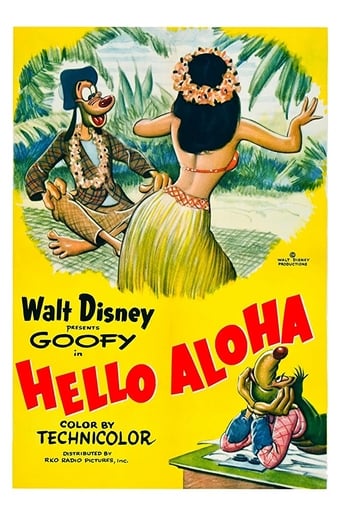
In the fifties the studio reinvented Goofy as George Geef, an ordinary suburban man with a job, a wife and a son, and the result is some of the warmest comedy in the catalogue. Fathers Are People follows him through the first years of fatherhood, Father's Lion takes father and son camping, Father's Day Off leaves him in charge of the housework, Home Made Home has him building a house from blueprints, and Two Weeks Vacation follows a holiday that keeps going wrong. Man's Best Friend brings a puppy that grows much too big, and Hello Aloha sends Goofy to the tropics for a peaceful life.
The western Two Gun Goofy makes him an accidental sheriff, a 1945 cartoon puts him and Donald on a coin-operated sailboat, and two television featurettes, The Goofy Success Story and The Goofy Adventure Story, look back over his career and his family history with clips from his classic cartoons.
Chip 'n' Dale, Figaro and friends
Chip 'n' Dale, two lively chipmunks with high voices and a talent for mischief, first appeared in the forties and became stars by the end of the decade. Chip is the thoughtful one with the small black nose, and Dale is the cheerful one with the big red nose and the buck teeth. In Squatter's Rights, from 1946, they defend their home in a cabin stove against Pluto, and in Three for Breakfast they raid Donald's pancakes.
The chipmunks also had cartoons of their own. In Chicken in the Rough Dale mistakes an egg for a nut, in The Lone Chipmunks they become accidental heroes of the West, and The Adventures of Chip 'N' Dale gathers several of their favourite cartoons into one featurette. Working for Peanuts sends them into a zoo for an elephant's peanuts, and Up a Tree makes them the defenders of their tree against lumberjack Donald. Old Sequoia features a pair of beavers who behave very much like the chipmunks.
Figaro, the little black-and-white kitten from Pinocchio, also became a star. In Figaro and Cleo he tries to resist the goldfish in her bowl, in Figaro and Frankie he has his eye on a canary while Minnie keeps watch, and in First Aiders and Cat Nap Pluto he gets the better of Pluto.
The studio's one-shot characters are full of charm too. Morris the Midget Moose tells of a tiny moose who teams up with a giant one, Lion Social follows a gentle lion loose in New York, The Pelican and the Snipe is a story of friendship at a lighthouse, and The Cold-blooded Penguin follows Pablo, a penguin who longs for warmer seas.
Latin America and the musical features
In 1941, Walt Disney and a group of his artists travelled through South America on a goodwill tour, sketching, filming and listening to the music of Brazil, Argentina, Chile and Peru. The trip led to two feature films, Saludos Amigos and The Three Caballeros, and the Latin American films shelf gathers 7 of their segments. Aquarela do Brasil introduces José Carioca, a dapper Brazilian parrot who teaches Donald the samba, Lake Titicaca sends Donald into the Andes with a stubborn llama, El Gaucho Goofy makes Goofy a cowboy of the pampas, and Pedro follows a brave little mail plane over the mountains of Chile. The Flying Gauchito tells of a boy and his flying donkey, and Blame It on the Samba brings Donald and José back for a dance in a café.
In the mid-forties the studio made a series of musical features built from short segments, each one set to a different song or piece of music. These shorts are some of the most inventive work the studio ever did, and the musical shorts shelf gathers 24 of them. From Make Mine Music, Blue Bayou is a moonlit flight through a swamp, All the Cats Join In sketches a crowd of teenagers dancing at a malt shop, Two Silhouettes is a rotoscoped ballet, After You've Gone lets musical instruments dance to Benny Goodman, Johnny Fedora and Alice Blue Bonnet is the love story of two hats in a shop window, and Willie the Operatic Whale follows a whale who dreams of singing at the Metropolitan Opera.
From Melody Time come Once Upon a Wintertime, a skating romance in the snow, The Legend of Johnny Appleseed, the story of the pioneer who planted orchards across the frontier, and Pecos Bill, the tallest of all Texas tall tales, told by Roy Rogers and the Sons of the Pioneers. Contrasts in Rhythm gathers the Bumble Boogie and Trees segments, and Two for the Record sets two Benny Goodman numbers to animation.
The studio kept telling American legends in song into the fifties. The Brave Engineer follows Casey Jones on his heroic run, Casey Bats Again gives the famous ballplayer a team of daughters, Football (Now and Then) pits old-time football against the modern game, and Pigs Is Pigs turns a railway clerk's dilemma over two guinea pigs into a stylish musical comedy. Melody, from 1953, was the studio's first cartoon in three dimensions, an owl's music lesson for a class of birds. Bongo, from Fun and Fancy Free, tells of a circus bear who escapes to the wild.
Learning with Jiminy and Walt's television
When Walt Disney turned to television in the fifties, his studio found a new way to share its cartoons. One Hour in Wonderland, a Christmas special from 1950, was the studio's first television programme, and the weekly Disneyland series followed in 1954. The television specials shelf holds 13 of these hours and featurettes. One Hour in Wonderland visits a studio party with Edgar Bergen and his puppets, From All of Us, To All of You is the studio's beloved Christmas programme, hosted by Jiminy Cricket, and On Vacation with Mickey Mouse and Friends leaves Jiminy in charge while Walt is away.
Some of the specials looked behind the scenes and into the future. The Plausible Impossible explains how animators make the impossible look believable, Man and the Moon imagines a journey to the moon years before one took place, and Our Friend the Atom explains atomic energy as a genie in a bottle. Duck Flies Coop has Donald quitting the studio, Kids Is Kids lets Professor Ludwig Von Drake study Donald's nephews, and Donald Duck Goes West gathers Donald's western cartoons.
Jiminy Cricket, the small conscience of Pinocchio, became the studio's favourite teacher. The learning shelf holds 30 titles, many of them made for the Mickey Mouse Club. You and Your Five Senses, You and Your Ears, You and Your Sense of Touch, You and Your Senses of Smell and Taste and You and Your Food explain the body, and You the Human Animal compares people with other animals. A series of safety films follows Jiminy through bicycles, pedestrians, fire, electricity and leisure time with a cheerful song.
Donald and Goofy taught their own lessons. How to Have an Accident in the Home and How to Have an Accident at Work introduce J. J. Fate, who shows that carelessness causes accidents, Donald and the Wheel follows the history of the wheel, The Litterbug encourages everyone to tidy up, and Donald's Fire Survival Plan shows a family how to prepare. Later highlights include The Truth About Mother Goose, with the real history behind nursery rhymes, Noah's Ark, told with stop-motion household objects, A Symposium on Popular Songs, with Ludwig Von Drake at the piano, The Saga of Windwagon Smith, about a sailor who crosses the prairie under sail, and It's Tough to Be a Bird, which won an Academy Award.
The people behind the magic
The Disney cartoons were made by hundreds of artists, but a few names stand out. Walt Disney himself was the producer and, in the early years, the voice of Mickey Mouse, and his partner Ub Iwerks animated the first Mickey cartoons and the early Silly Symphonies almost single-handedly. In the thirties, a generation of brilliant young animators arrived: Fred Moore, who gave Mickey his rounder, friendlier look, Norm Ferguson, who made Pluto a great actor, Art Babbitt, who worked out Goofy's walk, and Dick Huemer, Wilfred Jackson and Ben Sharpsteen, who directed many of the Symphonies.
The voices are just as famous. Clarence Nash spoke for Donald Duck for half a century, Pinto Colvig gave Goofy his voice and his famous yell, Marcellite Garner and later Ruth Clifford played Minnie, and Cliff Edwards sang and spoke for Jiminy Cricket. The studio's composers, among them Carl Stalling in the earliest years, Leigh Harline, Frank Churchill, Paul Smith and Oliver Wallace, wrote scores that fit the action so closely that the music almost tells the story by itself.
In the forties and fifties, directors such as Jack Hannah, Jack Kinney, Charles Nichols and Ward Kimball shaped the Donald, Goofy, Pluto and Chip 'n' Dale cartoons, and designers such as Mary Blair, Claude Coats and Eyvind Earle brought bold colour and modern design to the musical features and the later shorts. Many of these artists are credited on the cartoon pages, and following a single director through the catalogue is a delightful way to discover new favourites.
Five decades of cartoons
The decade shelves trace the history of the studio. The 64 titles from 1928 to 1939 bring Oswald, the black-and-white Mickey, the Silly Symphonies and the arrival of Technicolor. The 78 titles of the 1940s, the largest decade, bring the golden age of Pluto and Donald, the Latin American films, the musical features and the first Chip 'n' Dale cartoons.
The 77 titles of the 1950s bring Goofy's George Geef cartoons, Humphrey the bear, the first television specials and Jiminy Cricket's lessons, and the 10 titles from 1960 to 1974 close the era with Ludwig Von Drake, the safety films and the award-winning It's Tough to Be a Bird.
Sound, colour and the studio's firsts
The Disney cartoons are a history of the technology of animation as much as a history of characters. Mickey Mouse arrived just as films learned to talk, and the studio's early cartoons were built around synchronised sound, with every footstep, whistle and squeak landing exactly on the beat. Watch The Jazz Fool or Blue Rhythm and you can hear how proud the studio was of that new trick, with music driving every movement on the screen.
Colour came next. In 1932 the studio signed an agreement to use the new three-strip Technicolor process for its cartoons, and the Silly Symphonies were the first to benefit. The early colour Symphonies in the catalogue, such as King Neptune, The Bears and the Bees, Bugs in Love and Birds in the Spring, glow with the delight of artists discovering a whole new palette, and the Mickey cartoons followed a few years later.
The forties brought new ways of combining animation with music and with the real world. The Latin American films mixed cartoon characters with live-action footage of dancers and landscapes, and the musical features experimented with abstract shapes, rotoscoped dancers and painted backgrounds that looked like modern art. Two Silhouettes and After You've Gone are good examples of the studio's most daring designs from this period.
In the fifties the studio tried three-dimensional films and widescreen CinemaScope. Melody and Working for Peanuts were made for viewing in three dimensions, and several of the later shorts, among them Grin and Bear It, In the Bag and Pigs Is Pigs, used the stylised, flatter look of fifties design, with bold colours, simple shapes and lively graphic backgrounds. Finally came television, and the studio adapted its cartoons and lesson films for the small screen, introducing new hosts such as Ludwig Von Drake in the early sixties.
Cartoons for every age
The catalogue suits viewers of every age, and a little planning makes each viewing a pleasure. For the youngest children, the gentle, music-led Silly Symphonies are a perfect start: they have simple stories, lovely tunes and very little peril, and many run for just six or seven minutes. The Pluto cartoons work beautifully for small children too, because Pluto tells his stories through expression and movement rather than words.
Children of school age usually love Donald Duck's temper, Goofy's clumsiness and the mischief of Chip 'n' Dale, and Jiminy Cricket's lessons about the senses, safety and food make a cheerful addition to a rainy afternoon. Older children and adults often enjoy the musical shorts, the Latin American films and the television specials most of all, because they show the studio at its most experimental, and the behind-the-scenes programmes such as The Plausible Impossible explain how the magic was made.
Whatever the age, short programmes work best. Three or four cartoons make a satisfying half hour, and a mix of characters and decades keeps everyone curious about what comes next.
Cartoons for every season
The catalogue is full of cartoons that suit a particular time of year, which makes it easy to build a seasonal programme. In winter, Winter sets bears, raccoons and moose skating across a frozen pond, Once Upon a Wintertime follows a young couple on a sleigh ride and a skating adventure, Sleigh Bells puts Oswald on the ice, Dumb Bell of the Yukon sends Donald into the snow and Cold Storage has Pluto sharing his doghouse with a frozen egret. From All of Us, To All of You is the studio's own Christmas card, full of songs and favourite clips.
Spring belongs to Springtime for Pluto, Birds in the Spring and Pluto's Fledgling, while summer brings Summer, The Beach Party, The Picnic, Canine Patrol and Hello Aloha. Autumn is the season of Autumn, with its busy squirrels and migrating ducks, of Pluto's Housewarming, Up a Tree and Old Sequoia, and of the camping trips in Camp Dog, Father's Lion and Two Weeks Vacation.
Sports fans can enjoy Touchdown Mickey, Football (Now and Then), Casey Bats Again and Slide Donald Slide, and animal lovers can follow Pluto, Humphrey the bear, Morris the Midget Moose and Willie the whale. Whatever the season or the mood, there is a cartoon on the shelf ready to make the day a little brighter.
Holidays are especially well served. Birthday parties can start with The Birthday Party and Orphans' Benefit, an evening of music can begin with Mickey's Revue and The Whoopee Party, and a rainy weekend can be filled with the How To lessons of Goofy and the curious science of Our Friend the Atom and Man and the Moon. The shelves make it simple to mix and match, and My List keeps your choices ready for the next time the family gathers in front of the screen. The cartoons are short, so it is easy to watch one more, and then just one more after that.
The help pages
Fifteen short help pages wait in the menu for anyone who likes a guided tour. Start with How to watch with Animestars, which follows a cartoon from the top row to its official service, then read Finding a cartoon for search tips and My List to keep a family programme close at hand.
The star and shelf guides open the catalogue by theme: Mickey Mouse, Donald Duck, Pluto and Goofy, Silly Symphonies, Musical shorts and Learning with Jiminy, each with a handful of recommendations and a link to the full shelf.
The practical pages cover Restorations and versions, Apps and devices, Where Animestars cartoons stream, Watching safely, The official Animestars site and Is Animestars working?, so every practical question has a short, friendly answer.
Build your own cartoon afternoon
A Disney cartoon was made to be part of a bigger show, and the catalogue makes it easy to build one of your own. Here are a few ideas, each one a line-up of cartoons that sit happily side by side.
For a classic Mickey afternoon, start with The Birthday Party, follow it with The Klondike Kid, Giantland and Mickey's Elephant, and finish with The Nifty Nineties. For a Pluto programme, try Pluto's Quin-puplets, Pluto's Playmate, T-Bone for Two, Bubble Bee and Cold Storage.
For a Donald Duck double bill with his rivals, choose Three for Breakfast, Grin and Bear It, Bee On Guard, Uncle Donald's Ants and Up a Tree. For a musical evening, pick Blue Bayou, Johnny Fedora and Alice Blue Bonnet, Willie the Operatic Whale, Once Upon a Wintertime and Pecos Bill.
For the youngest viewers, a gentle programme might be Summer, Midnight in a Toy Shop, Birds in the Spring, More Kittens and Pluto's Fledgling. For curious older children, try Man and the Moon, The Plausible Impossible, Donald and the Wheel, The Truth About Mother Goose and It's Tough to Be a Bird.
Add your choices to My List, export the list for the family tablet, and settle in together. These cartoons were made to be shared, and they are at their best with an audience laughing along.
Watching today
Classic Disney cartoons are easier to find than ever. Many have been restored from the original negatives for streaming and for collections on disc, with rich Technicolor and clean sound, and the studio's own streaming service carries a large library of shorts, specials and featurettes. Some of the lesson films and television hours also appear on free services and in educational collections.
Because the Watch now button checks your own country, it is the quickest way to see where a cartoon is available today. Some cartoons are part of larger features, such as Fantasia, Saludos Amigos, Make Mine Music and Melody Time, so the services may list them inside the feature film.
For the best experience, watch the cartoons on a big screen with the sound turned up, because the music is half the magic. Mix the decades in one programme, and you will see how the studio's art grew from the bouncing black-and-white Mickey to the painted elegance of the fifties.
See you at the movies
For almost fifty years, Walt Disney Productions made cartoons that delighted the whole family. Mickey whistled, Pluto sniffed, Donald quacked, Goofy yelled, Chip 'n' Dale chattered and Jiminy Cricket sang his lessons, and the Silly Symphonies turned music into pictures. The 229 titles on Animestars gather that world in one place, from Oswald's hockey match of 1928 to the lesson films of the seventies.
Search for a title, open a shelf or start with one of the programmes above. Press Watch now, choose your country, and enjoy the show. Welcome to Animestars.
Questions
What is Animestars?
Animestars is a guide to 229 cartoons, musical shorts, lesson films and television specials from Walt Disney Productions, made between 1928 and 1974, with a Watch now button that opens each title on JustWatch for your country.
Which characters are covered?
Mickey Mouse, Minnie, Pluto, Goofy, Donald Duck, Daisy, Huey, Dewey and Louie, Chip 'n' Dale, Figaro, Humphrey the bear, José Carioca, Jiminy Cricket, Ludwig Von Drake and many more.
How does Watch now work?
Choose your country and press Watch now. JustWatch opens with the subscription, rental, purchase and free services that carry the cartoon where you live.
Are the cartoons in colour?
Most are in Technicolor. The earliest Mickey Mouse cartoons and Silly Symphonies, from 1928 to the early thirties, were made in black and white.
Is Animestars suitable for children?
The catalogue is chosen by hand for family viewing, and the guides suggest gentle programmes for younger children.
What is My List?
My List keeps the cartoons you plan to watch in your browser. You can export it to a small file and import it on another device.
Where do the posters and details come from?
Posters, running times and production details come from TMDB. The guides and help pages are written for Animestars.
Which cartoons should I start with?
The Birthday Party, Pluto's Quin-puplets, Grin and Bear It, Hello Aloha and Blue Bayou make a lovely first programme.
Does Animestars host the cartoons?
Animestars is a guide. Watch now leads to the official services that carry each title in your country.